Most conversations about AI in professional services focus on speed. And the speed is real — work that used to take months is getting done in weeks.
But speed isn’t the problem. What speed exposes is a broken AI operating model.
AI Adoption in Professional Services Is Already Happening
AI adoption in professional services isn’t a future state—it’s already happening, whether firms are formally embracing it or not. The real difference isn’t who is using AI, but who is acknowledging it and planning around it.
Two Kinds of Firms
Walk into any services company today and you’ll find one of two situations.
The first is a firm that has decided AI is too risky, too unproven, or too disruptive to their existing model. They’ve put up guardrails, issued guidance, or just quietly avoided the conversation. They’re waiting for clarity before they move.
The second is a firm that’s already using it — in delivery, in scoping, in proposals, in internal tooling. Their team is faster, their output is richer, and they’re figuring out the business implications as they go.
Here’s the problem with the first camp: their people are using AI anyway.
AI Governance Comes First
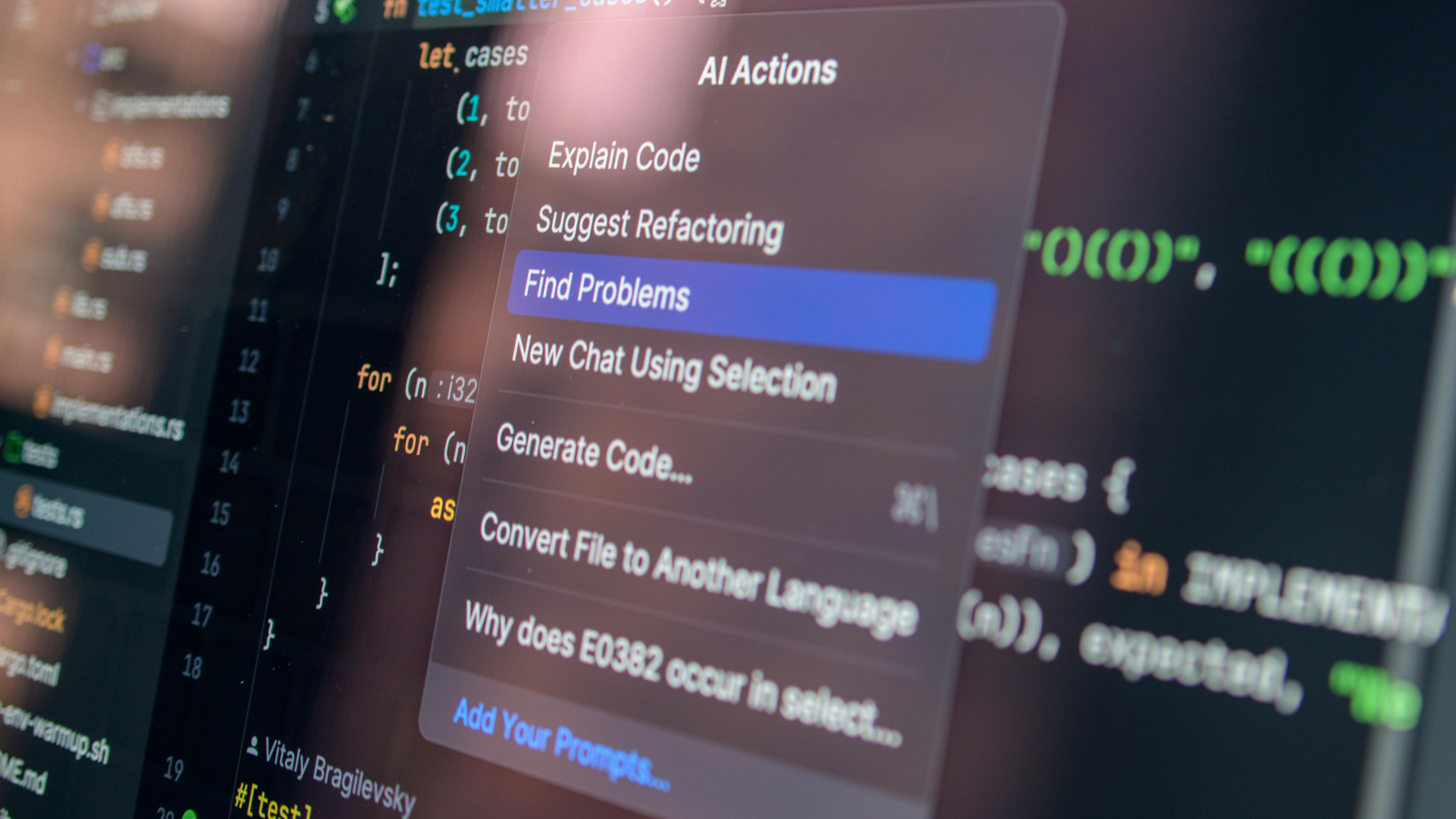
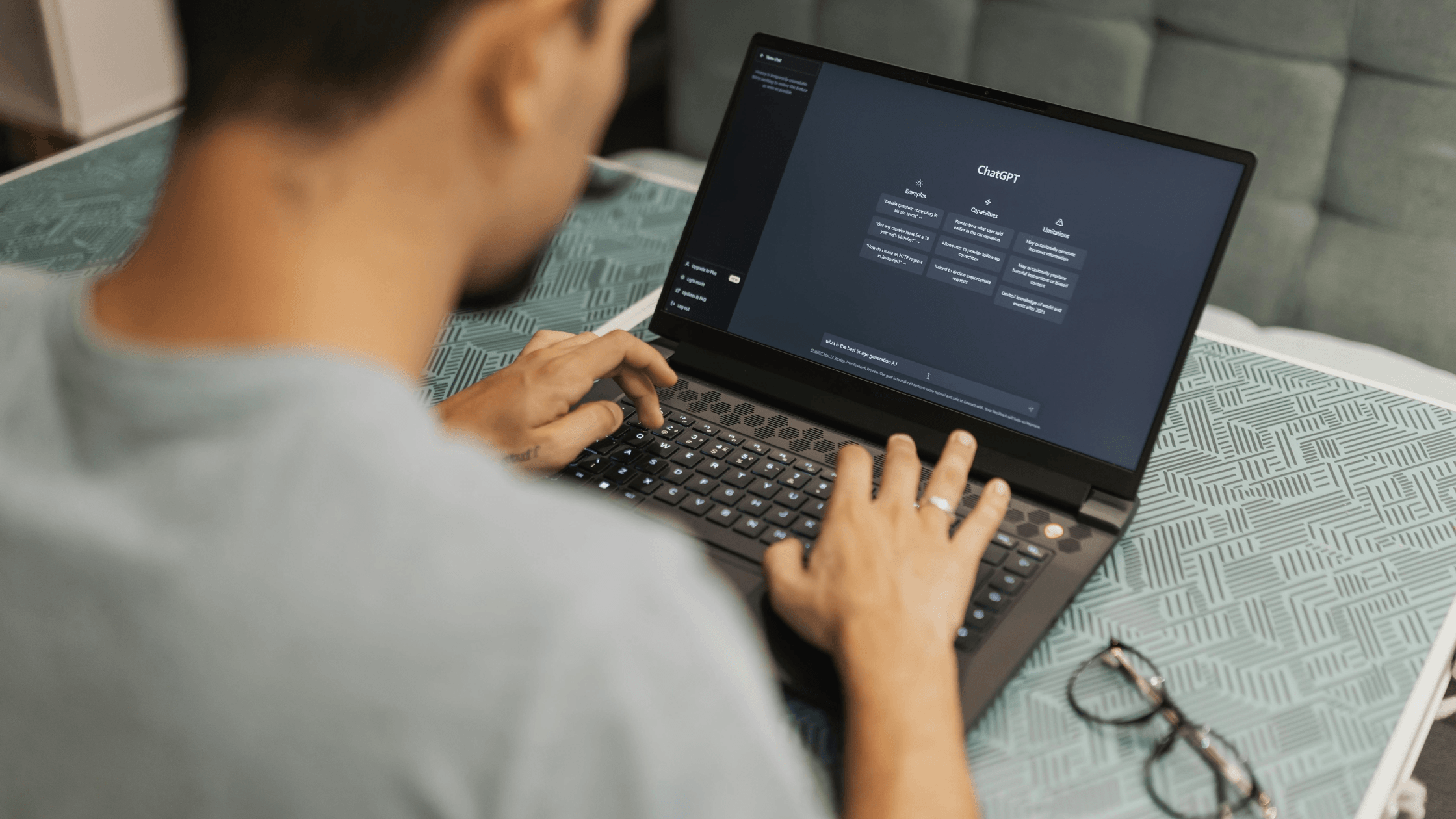
This is the part that doesn’t get said enough. AI tools are free or cheap, accessible on personal devices, and genuinely useful. Engineers, consultants, PMs, and analysts are using them whether their firm has a policy or not. On free accounts. On personal subscriptions. Outside of any governance framework the company has put in place.
So the question for leadership isn’t really “should we use AI.” That decision has already been made by your team. The real question is whether you know what’s happening, whether you’re capturing any value from it, and whether you have any visibility into the risk.
If the answer to all three is no, you don’t have an AI strategy. You have an AI situation.
AI Is Breaking the Traditional Consulting Business Model
There’s another layer to this that most firms aren’t talking about openly. In a lot of cases, the technology is ahead of the agreements.
Client contracts weren’t written with AI-assisted delivery in mind. Data handling clauses, confidentiality provisions, IP ownership — most of these were drafted before it was realistic to assume AI was part of the workflow. And yet here we are, using it on client work before the governance frameworks have caught up on either side.
Some clients are fine with it. Some have explicitly approved it. Others haven’t been asked. And a meaningful number would push back if they knew exactly how it was being used.
This isn’t an argument against using AI. It’s an argument for getting ahead of it — because firms that don’t will eventually get caught flat-footed when a client asks the question directly.
The Shift to an AI Operating Model
The firms winning right now aren’t the ones with the most sophisticated AI tools. They’re the ones that have decided to treat AI as something to be managed and measured, not just adopted and hoped for the best.
That means standardizing how it’s used. Getting it off free personal accounts and into tracked, governed workflows. Understanding where it’s creating value and where it’s introducing risk. And being able to have an honest conversation with clients about how it fits into delivery.
None of that is a technology problem. It’s an operational one.
The Time-and-Materials Problem
For firms that are using AI in delivery, the next issue shows up in the business model.
Most consulting companies operate on time-and-materials. You sell hours. You deliver hours. You bill hours. That model has a quiet assumption built into it: output is proportional to time. When AI breaks that assumption, the math starts working against you. The more efficient your team gets, the fewer hours they log. The fewer hours they log, the less you bill.
The natural response is to shift toward fixed-fee or capacity-based pricing. That’s the right direction. But pricing is only part of the adjustment.
You’re Doing More With Less
What’s actually happening is more specific — certain activities that used to take months are now taking weeks. Discovery, scoping, building out components. The work itself is getting richer: longer validation sessions, more thorough UAT, deeper client engagement. We’re producing more value. And we’re doing it with fewer people than we would have before.
Fewer people on a project means fewer billable hours, even if the outcome is better. You’re creating more value for the client while your revenue per engagement shrinks. On T&M, that’s a problem you feel before you fully understand it.
The ROI and Cost of AI in Professional Services is Hard to Measure
The harder part is understanding whether you’re actually improving margins — or just moving cost somewhere you’re not looking.
AI isn’t free. At scale, it isn’t cheap. When you reduce labor on a project but don’t track AI usage, you don’t know if your efficiency gains are real or if the cost just shifted from payroll to tooling. Professional services firms have to get more granular: not just time entries, but expected outcomes, actual delivery cost including AI, and value created down to the workstream level.
And this is exactly why getting AI off personal free accounts matters beyond governance. If your team is using tools you’re not paying for and not tracking, you have no idea what delivery actually costs. You can’t price work accurately. You can’t understand your margins. And you can’t make a credible case to clients about the value AI is creating in their engagement.
Time alone doesn’t tell you enough anymore.
The Real Issue Isn’t AI – It’s Disconnected Systems
Even before AI, most services companies couldn’t answer three basic questions with confidence:
- What’s actually going to close in the next 90 days?
- Do we have the capacity to deliver it?
- When do we need to start hiring?
Pipeline sits in the CRM. Delivery sits in a PSA. Hiring sits in an ATS. Planning happens in spreadsheets or in someone’s head. None of it connects in a way that helps you make decisions — it just creates a lag between what’s happening and what leadership actually knows.
The result is predictable: reactive hiring, people on the bench, deals that are harder to staff than expected, and margins that are harder to predict than they should be.
AI doesn’t fix this. It makes it more expensive to ignore.
The first step isn’t more tooling—it’s getting a clear view of where things are breaking down. A Forecast & Staffing Analysis can help surface the gaps between pipeline, capacity, and hiring so you can prepare.
What an AI Operating Model for Professional Services Actually Looks Like
The companies that navigate this well won’t just be the ones that adopt AI tooling. They’ll be the ones that treat AI as something that needs to be tracked, measured, and connected to how the business actually runs.
That means knowing what’s in the pipeline and how likely it is to close. Translating that into actual resource demand. Understanding what delivery is really costing — including the AI layer. Identifying capacity gaps before they become problems. And making hiring decisions based on real demand signals, not gut feel.
That’s the problem Revecast was built to solve. Not as a PSA, not as an ATS, but as a system that connects pipeline, capacity, hiring, and delivery cost so services companies can make decisions in real time instead of reacting after the fact.
A Narrow Window for AI in Professional Services
Most consulting firms aren’t feeling the full pressure of this yet. But the gap between firms that are managing AI intentionally and firms that aren’t is already opening. The ones using it on shadow accounts with no tracking, no governance, and no visibility into what it’s producing — they’re not protected. They’re just unaware.
The firms that move to an AI operating model now — standardizing how AI gets used, tracking the value it creates, and connecting that to how they plan and staff — will be in a fundamentally different position in 18 months.
Don’t fall behind. Get an AI-focused Forecast & Staffing Analysis.
Table of Contents
- AI Adoption in Professional Services Is Already Happening
- AI Is Breaking the Traditional Consulting Business Model
- The Shift to an AI Operating Model
- The Real Issue Isn’t AI – It’s Disconnected Systems
- What an AI Operating Model for Professional Services Actually Looks Like
- A Narrow Window for AI in Professional Services